Most companies that hire a B2B lead generation agency and get burned make the same mistake: they evaluate agencies on promises rather than process. This guide gives you the specific questions, benchmarks, and red flags you need to make the right call.
TL;DR
Hiring a B2B lead generation agency works - but only when you match the agency to your specific sales motion, average deal size, and target audience. Agencies that blend outbound prospecting, content-driven inbound, and structured appointment setting consistently outperform those that focus on a single channel. Before signing any contract, demand a documented lead qualification framework, channel-specific KPIs, and case studies from companies in your vertical. If they can’t produce those three things, keep looking.
Why B2B Lead Generation Is Harder Than Most Companies Expect
B2B buying cycles are long, committee-driven, and deeply influenced by trust. According to Gartner’s 2023 B2B Buying Report, the average B2B purchase decision now involves 6 to 10 stakeholders. That number has grown steadily over the past decade as risk aversion in procurement has increased.
This matters because it changes what “a lead” actually means. A lead in a B2B context is rarely a single person who fills out a form. It’s an account with multiple contacts, multiple objections, and multiple internal conversations happening before your sales team ever gets a meeting.
Most in-house marketing teams are not built to handle that level of complexity at scale. They’re good at brand awareness, content, and inbound nurturing. What they typically lack is the outbound infrastructure - the data, the sequencing, the SDR bandwidth - to systematically fill a pipeline with qualified opportunities.
That’s where a dedicated lead gen agency comes in. But “dedicated” is doing a lot of work in that sentence. There’s a significant difference between agencies that generate contact lists and agencies that generate conversations with decision-makers who actually have buying authority.
7 Things That Separate High-Performing Lead Generation Agencies From Average Ones
This section isn’t a checklist you skim. Each point here reflects a real operational difference that shows up in your pipeline results.
1. They Define “Lead” Before They Start Work
This sounds obvious. It’s almost never done well.
The best agencies establish a documented Ideal Customer Profile (ICP) and a precise lead qualification threshold before any outreach begins. That means specific firmographic criteria - company size, industry, revenue range, tech stack, geography - combined with a behavioral or intent-based signal that indicates the prospect is worth contacting.
Agencies that skip this step will send you activity reports full of numbers that don’t map to revenue. You’ll see “500 contacts emailed” and “120 opens” and “34 replies” - and three months later, your sales team has had two useful conversations.
Ask any agency you’re evaluating: “What is your working definition of a marketing qualified lead, and how does it translate to a sales qualified lead for a company like ours?” If they give you a generic answer, that’s a genuine red flag.
2. They Have Channel-Specific Expertise, Not Just Channel Presence
There are a dozen channels a lead generation agency might use: cold email, LinkedIn outreach, paid search, content syndication, SEO, webinars, intent data platforms, programmatic advertising, direct mail, and so on.
Most agencies claim competence in all of them. Few are actually excellent at more than two or three. The good ones know which channels fit your deal size and sales cycle, and they’ll tell you honestly when a channel isn’t a match.
For example, a SaaS company with a $500 monthly contract value and a 14-day free trial needs a completely different lead generation approach than an enterprise software company with a $150,000 ACV and a six-month sales cycle. A specialized SaaS lead generation agency will structure entirely different programs for each. One relies on high-volume, lower-touch outbound with fast qualification. The other requires account-based approaches, executive-level outreach, and multi-threaded engagement within each target account.
3. Their Reporting Is Built Around Pipeline, Not Vanity Metrics
Volume metrics are easy to report. Impressions, clicks, email opens, MQL counts - these numbers look good in a slide deck and tell you almost nothing about whether the agency is helping you grow revenue.
The metrics that matter in 2026 are:
- Sales qualified lead (SQL) conversion rate from MQL
- Cost per SQL (not cost per lead)
- Meetings booked to opportunities created ratio
- Pipeline contribution by channel
- Average sales cycle length for agency-sourced leads versus other sources
An agency that proactively reports on these metrics is one that’s comfortable being held accountable. An agency that sends you a monthly report filled with impressions and email volume is an agency that’s managing your expectations rather than your results.
4. They Have Real Case Studies From Your Industry
Generic case studies are worthless. “We helped a technology company increase leads by 200%” tells you nothing. What technology? What kind of leads? What was the baseline? What was the offer?
A credible B2B lead generation agency will show you case studies that include:
- The specific industry and company size
- The channel mix used
- The actual lead volume and conversion rates achieved
- The time frame
- Attribution to pipeline or closed revenue where possible
See how we approach B2B consultation and client matching →
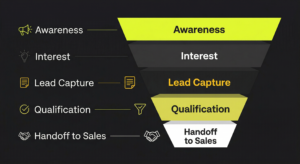
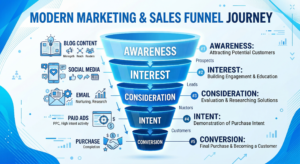
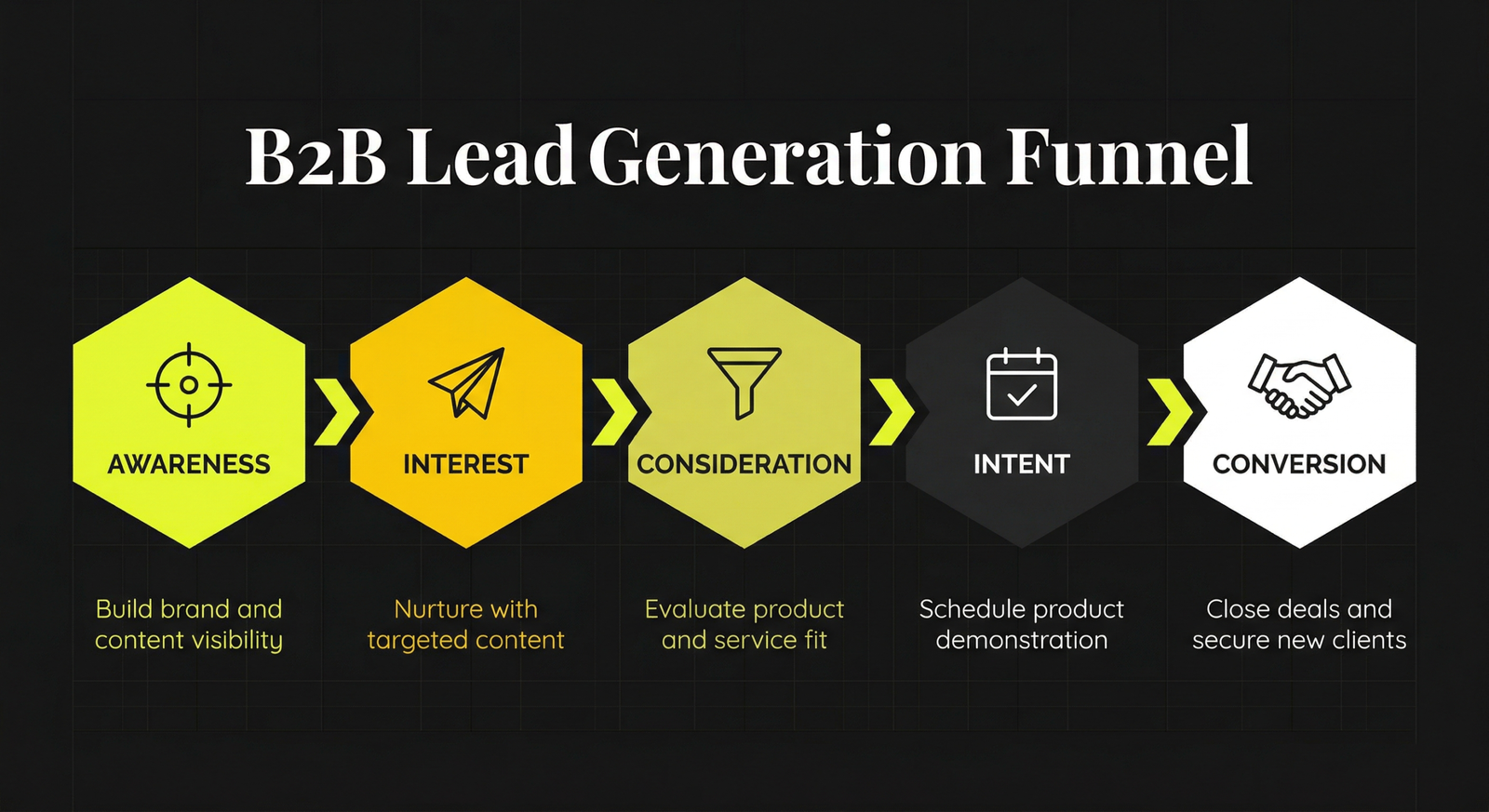
5. They Understand the Full Funnel, Not Just the Top
Top-of-funnel lead generation without mid-funnel nurturing is a leaky bucket. A strong agency either handles the full funnel itself or has a clearly documented handoff process to your internal marketing or sales team.
This is where demand generation thinking becomes relevant. A demand generation agency operates differently from a pure lead gen agency. Demand generation is about creating awareness and preference before a prospect enters your funnel - so that when outbound touches them, they’ve already heard of you or have a favorable impression.
The best B2B agencies combine both. They’re not just filling the top of the funnel with cold contacts; they’re building the conditions under which those contacts are more likely to convert.
6. They Have a Real SDR Function or Work Closely With Yours
Many agencies stop at delivering a list of “leads” - contacts who interacted with content or filled out a form. The conversion of those leads into actual meetings is left entirely to your sales team.
That’s fine if your sales team has the bandwidth and the skills. Most don’t. The agencies that deliver the most measurable ROI are the ones that include structured B2B lead generation and appointment setting services in their offering. They don’t just find the leads - they do the initial outreach, handle objections, and book qualified meetings directly onto your sales team’s calendar.
This model removes a critical handoff failure point. Your salespeople focus on closing. The agency handles everything upstream.
7. They Can Explain Their Data Sources
Where your leads come from matters enormously. Agencies that use outdated contact databases, scraped lists, or unreliable third-party data will cost you time in bounced emails, wrong numbers, and frustrated prospects who’ve been contacted by three other agencies that week.
Ask directly: “What data providers do you use, and how do you verify contact information before outreach?” Acceptable answers involve named providers like ZoomInfo, Apollo, Cognism, or Lusha, combined with real-time email verification and LinkedIn cross-referencing. Vague answers are not acceptable.
The Real Cost of Getting This Wrong
Let’s be specific about what a bad agency engagement actually costs you.
Assume you spend $5,000 per month on a lead gen agency. Over a six-month contract, that’s $30,000. If the agency delivers leads that don’t convert because they weren’t properly qualified, or because there was no appointment setting function, or because the ICP was wrong from the start - you’ve not only lost $30,000. You’ve also lost six months of pipeline that should have been building, and your sales team has burned time chasing dead ends instead of closing real opportunities.
Forrester Research on B2B marketing ROI measurement has consistently found that companies with poor marketing-to-sales alignment achieve 10% or less annual growth, while highly aligned organizations achieve 20% or higher. A bad agency engagement makes that alignment problem worse, not better.
The other real cost is opportunity cost. Your competitors are working their pipelines right now. Every month you spend with an agency that isn’t delivering is a month someone else is getting to your prospects first.
What to Expect From a B2B Demand Generation Agency Versus a Pure Lead Gen Agency
The distinction between a demand generation agency and a pure lead generation agency is one that gets blurry in agency marketing materials. Here’s the practical difference.
A lead generation agency is primarily focused on identifying and engaging prospects who are already in a buying mindset, or can be moved into one relatively quickly. The output is contacts, leads, and booked meetings.
A B2B demand generation agency works upstream of that. Its job is to create awareness, build category preference, and warm up a market before the sales process begins. Demand generation programs might include thought leadership content, executive webinars, podcast sponsorships, LinkedIn ads, and intent data activation.
The outputs of demand generation are harder to measure in the short term. You’re investing in brand awareness and preference that won’t show up in your pipeline for 60 to 90 days. This is good strategy for companies playing a long game, but it’s the wrong starting point if you need pipeline in the next 30 days.
Most companies need a combination. Pure demand generation without lead generation leaves you with brand awareness that doesn’t convert to revenue on a predictable timeline. Pure lead generation without demand generation means you’re doing cold outreach into a market that doesn’t know who you are, which makes every touchpoint harder.
The agencies that deliver the best results in 2026 are the ones that treat these as complementary programs, not competing approaches.
Read our full breakdown of lead generation strategies that work in 2026 →
How SaaS Companies Should Think About Lead Generation Agencies
SaaS is a category where lead generation gets particularly complicated. The economic model is fundamentally different from traditional B2B software or services.
In SaaS, the real revenue event isn’t the initial contract. It’s retention and expansion. A customer who churns after three months is worth less than the cost of acquiring them. This means lead quality has to be evaluated not just by conversion rate, but by downstream retention and expansion metrics.
A genuinely capable SaaS lead generation agency understands this and builds it into the lead qualification criteria. They’re not just asking “does this company have budget for our product?” They’re asking “does this company have the use case, the team size, and the technical environment where our product will actually deliver value?”
That second question is much harder to answer through outbound alone. It requires deeper qualification conversations, better discovery questions from SDRs, and sometimes a longer nurture period before a meeting is booked.
For SaaS companies evaluating agencies, ask specifically: “Have you worked with companies in our pricing tier? What does your qualification process look like for a free trial model versus a direct sales model?”
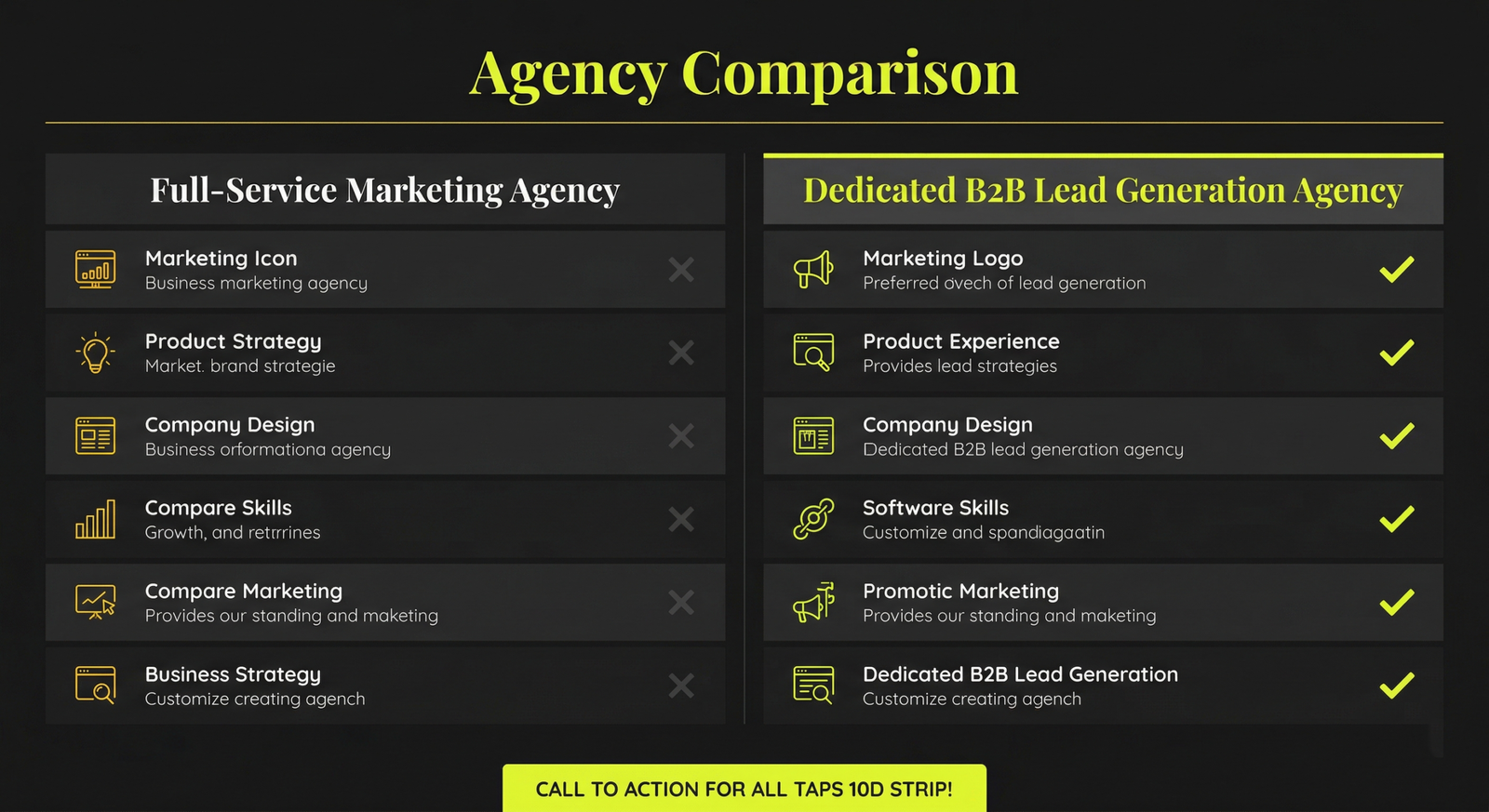
Marketing Agencies Trying to Add Lead Generation: A Word of Caution
There’s a growing trend of full-service marketing agencies adding lead generation to their service menu. Brand agencies, PR firms, and social media shops are all pitching lead generation capabilities as an upsell.
Be careful here. Marketing agency lead generation programs are often built on repurposed content distribution or SEO work that’s rebranded as “lead generation.” That can generate inbound traffic and form fills - which is useful - but it’s not the same as a systematic outbound engine designed to fill a B2B sales pipeline on a predictable timeline.
The question isn’t whether a full-service agency can help with lead generation. Sometimes they can, particularly on the inbound side. The question is whether lead generation is actually their core competency or whether it’s a capability they’re learning on your budget.
Ask to see SDR team credentials. Ask about their outbound sequencing tools. Ask how they handle lead qualification before handoff. If the answers are thin, you’re probably talking to a content agency that’s repositioned itself, not a dedicated lead gen agency with real outbound infrastructure.
The Appointment Setting Question: Do You Need It?
B2B lead generation and appointment setting services are often sold together, but not every company needs both from the same vendor.
If your sales team has strong inbound conversion skills and is accustomed to working warm leads from marketing, you might not need appointment setting. If your salespeople are primarily closers and aren’t trained for early-stage discovery conversations, appointment setting is almost certainly worth adding.
The practical reality: most B2B sales teams underperform at early-stage follow-up. HubSpot’s research consistently shows that companies reach out to new leads within 5 minutes of form fill far less frequently than they should, and that response rates drop dramatically after the first hour. An appointment setting function solves this problem by inserting a trained SDR between the lead generation activity and your sales team’s calendar.
The best appointment setting programs include:
- A defined outreach sequence with specific touchpoints across email, phone, and LinkedIn
- Clear qualifying criteria that must be met before a meeting is booked
- A brief discovery call that confirms fit before the sales team’s time is used
- A structured calendar invitation with prep materials for the sales rep
This isn’t just administrative convenience. It changes the sales conversation. A rep who walks into a meeting knowing the prospect’s role, their current situation, their primary challenge, and the agreed agenda closes at a meaningfully higher rate than one who’s going in cold.
How to Evaluate an Agency’s Pricing Model
There are three common pricing structures in the lead generation agency market:
Retainer-based pricing is the most common. You pay a fixed monthly fee for a defined scope of services. This is predictable but can create misaligned incentives - the agency has less financial pressure to perform once the retainer is secured.
Performance-based pricing ties compensation to outcomes - typically cost per lead, cost per SQL, or cost per meeting booked. This sounds attractive but comes with real risks. Agencies operating on pure performance models can generate high volumes of low-quality leads because volume is what drives their economics, not lead quality.
Hybrid models combine a base retainer with performance bonuses tied to SQL volume or pipeline contribution. This is generally the healthiest structure because it aligns incentives without creating pressure to sacrifice quality for volume.
Whatever model you choose, build in a clear definition of what triggers payment. Cost per lead is meaningless if “lead” isn’t precisely defined. Cost per meeting is only useful if the meetings are with genuine decision-makers who match your ICP.
Six Questions to Ask Before Signing Any Agency Contract
These aren’t questions to ask at the end of a sales call. Ask them early, and pay close attention to how the agency responds - not just what they say.
What is your process for defining and validating our ICP at the start of an engagement? Agencies that have a structured onboarding process that includes ICP discovery will answer this with specifics. Agencies that don’t will talk in generalities.
How do you measure and report on pipeline contribution rather than just lead volume? The answer should reference specific metrics - SQL conversion rates, pipeline dollar value generated, or something equivalent. If they’re talking primarily about MQL volume, that’s a warning.
Can you show me three case studies from companies in a similar vertical and deal size to ours? They should be able to. If they can’t, ask why not.
What happens to leads that don’t convert in the first cycle? A good agency has a nurture process, a re-engagement strategy, or a clear handoff protocol. Leads that don’t convert immediately still have value if handled correctly.
Who on your team will actually be doing our work, and what are their backgrounds? Agencies that assign junior coordinators to manage accounts while senior staff focus on sales are common. Know upfront who your day-to-day contact is and what their experience level is.
What is your offboarding process, and who owns the data? You should own all contact data, lists, and sequences built during the engagement. Some agencies try to retain this data. Make sure your contract is clear on this point before you sign.

What the Data Says About Outsourcing Lead Generation
The case for outsourcing isn’t just operational. There’s a cost efficiency argument that holds up well under scrutiny.
Building an in-house SDR team means recruiting, hiring, onboarding, managing, and retaining staff in a role with notoriously high turnover. Bridge Group’s SDR Metrics Report found that average SDR tenure is 1.4 years, and ramp time to full productivity is 3.2 months. That means you’re paying for a fully loaded salary and overhead for a quarter before you see any pipeline contribution and then cycling through new hires every 14 months.
Outsourcing to a lead generation agency converts that fixed cost to a variable one, eliminates ramp time because the agency already has trained SDRs, and gives you access to technology infrastructure - sequencing tools, data platforms, enrichment services - that would cost significantly more to replicate internally.
The counterargument is real: an in-house SDR team has deeper product knowledge and is more aligned to your specific culture and sales process. For companies with complex technical products and long sales cycles, this can matter enough to justify the higher cost.
The practical resolution: start with an agency to build pipeline data and refine your ICP. Use what you learn to hire and train in-house SDRs with a playbook already validated. Some companies never need to make that transition. Others use the agency as a foundation and build internal capacity over time.
Red Flags to Walk Away From Immediately
Some things aren’t negotiable. If an agency does any of the following, end the conversation.
They guarantee a specific number of leads in a fixed time frame without asking detailed questions about your product, pricing, sales process, and target market. Guarantees without qualification are false promises.
They can’t explain their data sources in specific terms. If the answer is “proprietary database” without elaboration, the database is probably low quality or outdated.
Their case studies are exclusively from industries very different from yours, and they can’t explain why their approach will transfer. “Lead generation is universal” is not a real answer.
They pressure you to commit to a 12-month contract before demonstrating any results. A 3-month pilot engagement is a reasonable starting point. Twelve-month lock-ins before proof of performance benefit only the agency.
Their reporting cadence is monthly. You should be getting weekly activity reports and bi-weekly pipeline reviews, especially in the first 60 days.
They don’t ask about your sales team’s capacity to handle the leads they’ll generate. An agency that doesn’t understand your internal constraints will generate pipeline your team can’t work, which looks like agency failure but is actually a planning failure.
Contact us to discuss your specific pipeline requirements →
Building the Right Relationship With Your Agency
Agencies perform better when clients treat the relationship as a real partnership rather than a vendor transaction. This isn’t abstract advice - it has specific practical implications.
Give the agency access to your best-performing salespeople during onboarding. The SDRs calling your prospects need to understand what your actual customers say about why they bought, what their concerns were, and what language resonates with your market. That context comes from your sales team, not from your website copy.
Share closed-won and closed-lost data. Agencies that know why deals close and why they don’t can refine their qualification criteria over time. Without that feedback, they’re operating on assumptions that may be wrong.
Review call recordings together. If the agency is booking appointments, ask to listen to the discovery calls that resulted in meetings and the ones that didn’t. You’ll find patterns that neither side would see from a report alone.
Set a quarterly ICP review. Markets shift. Job titles change. Hiring signals that used to indicate buying intent may no longer apply. A joint quarterly review of whether the target profile is still right keeps both sides accountable.
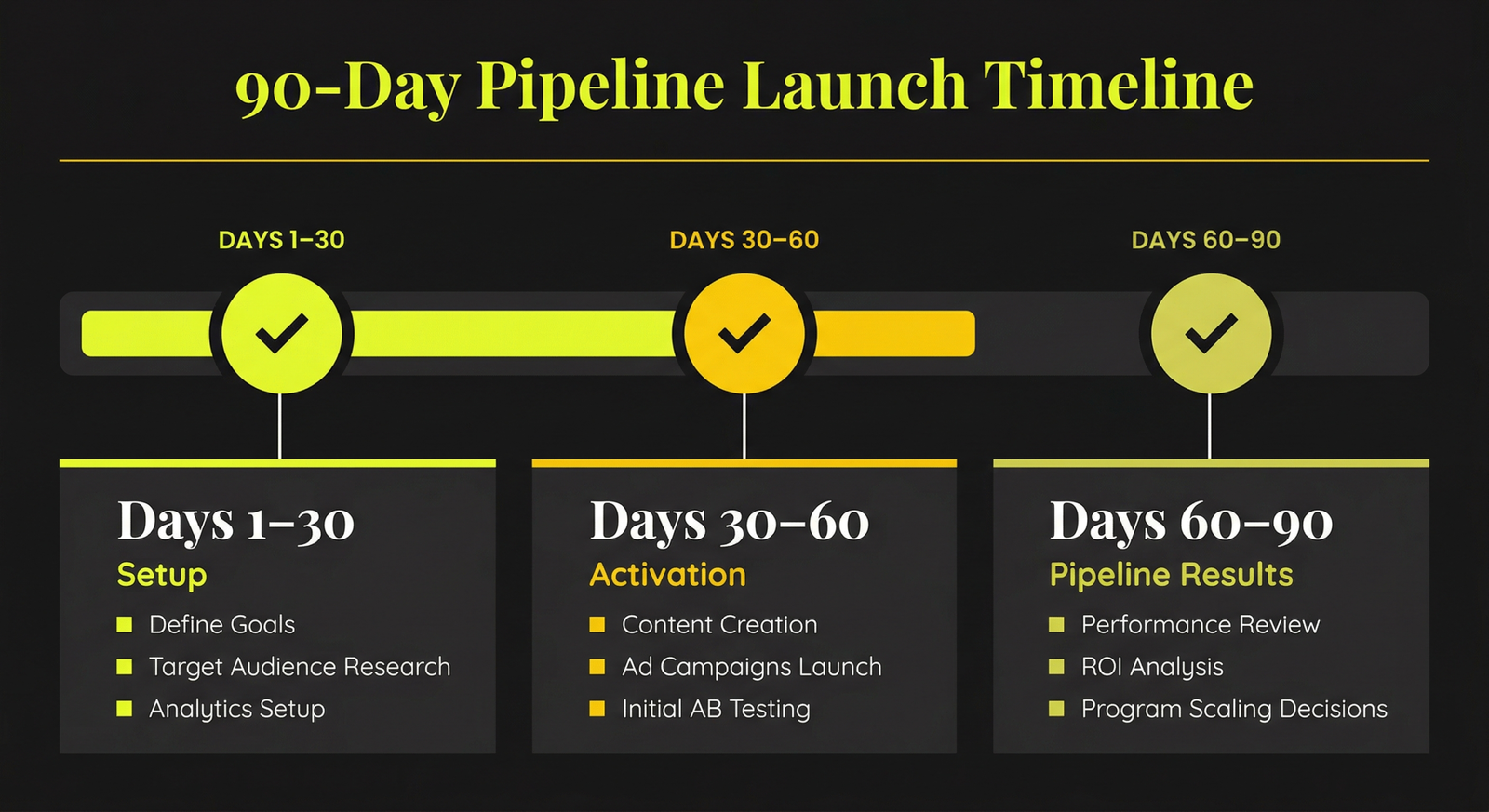
A Framework for Measuring Agency Performance in the First 90 Days
The first 90 days of an agency engagement tells you almost everything you need to know about whether the relationship will work. Here’s how to evaluate it:
Days 1 to 30: Process and setup. You should see a completed ICP document, a validated contact list, a drafted outreach sequence reviewed by your team, and a defined reporting template. If any of these are missing at the 30-day mark, that’s meaningful.
Days 30 to 60: Initial activity and early signals. Outreach should be live. You should be seeing data on open rates, reply rates, and initial qualification conversations. You should also be seeing evidence that the agency is iterating based on what’s working - adjusting subject lines, refining messaging, testing different value propositions.
Days 60 to 90: Pipeline contribution. By this point, you should have at least some meetings booked and some of those meetings converted to active opportunities. The exact numbers will vary by deal size and sales cycle, but the direction should be clearly positive.
If you’re at day 90 and the pipeline contribution is zero or near zero, that’s not an agency that needs more time. It’s an agency that has demonstrated it can’t deliver for your specific situation.
Ready to start building your B2B pipeline? Book a consultation →
Where the Industry Is Heading in 2026 and Beyond
Three shifts are reshaping how effective lead generation agencies operate right now.
AI-assisted prospecting is becoming standard, not optional. The best agencies are using AI tools to identify buying signals, predict which accounts are in-market, and personalize outreach at scale without losing quality. This doesn’t replace SDRs - it makes them more efficient by directing their time toward the highest-probability accounts.
Intent data integration is separating good agencies from average ones. Platforms like Bombora, G2, and TechTarget provide signals that a company is actively researching solutions in your category. Agencies that build their outreach around intent signals see materially better reply rates and meeting conversion rates because they’re reaching accounts at the right moment rather than at a random moment.
First-party data is becoming more important as third-party data quality declines. Changes in privacy regulation, browser tracking limitations, and data accuracy issues mean agencies that help you build your own first-party data asset - through webinars, content, events, and community - are building something that compounds in value over time. Agencies that rely purely on third-party purchased data are building on a foundation that’s getting shakier each year.
Final Thoughts
Hiring a B2B lead generation agency is a meaningful investment. Done right, it fills your pipeline with qualified opportunities your sales team can actually close. Done wrong, it consumes budget, demoralizes your sales team, and delays your growth by months.
The difference between those two outcomes almost always comes down to specificity at the start of the engagement. How precisely is your ICP defined? How clearly is a qualified lead distinguished from an unqualified one? How does the agency measure and report on pipeline contribution versus vanity metrics? How does the handoff to your sales team work?
Get those four things right, and the channel - outbound email, LinkedIn, content, whatever - matters less than people think. The fundamentals of who you’re targeting and why create the conditions where almost any execution strategy can work. Get them wrong, and even the most sophisticated outbound program will underperform.
See more articles on B2B pipeline strategy →
Frequently Asked Questions
Expert answers to common B2B lead generation questions
What does a B2B lead generation agency actually do?
A B2B lead generation agency identifies, contacts, and qualifies potential buyers on behalf of your sales team. This typically includes:
- Building a target account list based on your Ideal Customer Profile
- Conducting outbound outreach through email, LinkedIn, or phone
- Qualifying responses to distinguish interested prospects from time-wasters
- In many cases, booking meetings directly onto your sales team’s calendar
The goal is a predictable flow of sales-ready opportunities that your team can work toward closing.
How much does a B2B lead generation agency cost in 2026?
Pricing varies widely depending on the scope of services, industry, and geographic target market:
- Retainer-based programs: $3,000 to $15,000 per month for SMB-focused programs
- Enterprise ABM programs: $15,000 to $50,000 per month (includes intent data, multi-channel outreach, and full appointment setting)
- Performance-based models: $150 to $800 per SQL depending on deal size and industry
Hybrid models are increasingly common and generally offer the most aligned incentive structure.
How long does it take to see results from a B2B lead generation agency?
Outbound-focused programs:
- Initial meetings booked within 30 to 45 days of outreach going live
- Meaningful pipeline contribution typically appears in weeks 6 through 10
- If no qualified pipeline at the 90-day mark, the program needs restructuring
Demand generation programs that rely on content and awareness have longer timelines, often 90 to 120 days before pipeline impact is visible.
What is the difference between a lead generation agency and a demand generation agency?
Lead generation agency focuses on identifying and engaging prospects who are in or near a buying cycle - the output is leads and booked meetings.
Demand generation agency works further upstream, creating brand awareness and category preference before a prospect enters a formal buying process. This typically includes:
- Thought leadership
- Content marketing
- Webinars
- Paid media
The best B2B agencies combine both approaches: demand generation warms the market, and lead generation converts that warm market into pipeline.
Should a SaaS company use a specialized SaaS lead generation agency?
Yes, for most SaaS companies, working with an agency that has specific SaaS experience is worth the additional effort to find.
SaaS sales motions differ significantly from traditional B2B services - qualification criteria, messaging, objection handling, and success metrics all reflect the subscription economic model.
An agency experienced in SaaS will:
- Build lead qualification around retention likelihood and expansion potential
- Understand nuances of different pricing tiers
- Work with free trial programs
- Adapt to product-led growth models
What should be included in a B2B lead generation and appointment setting service?
A complete B2B lead generation and appointment setting service should include:
- ICP definition and target account list building
- Contact data sourcing and verification
- Multi-channel outreach sequences (email, LinkedIn, phone)
- Lead qualification against defined criteria
- Discovery conversations to confirm fit
- Calendar booking with prep materials sent to your sales rep
Reporting should cover:
- Activity metrics: Contacts reached, replies
- Quality metrics: SQLs generated, meetings held, opportunities created
Data ownership at the end of the engagement should be explicitly addressed in your contract.
Ready to Implement These Strategies?
Get a custom B2B lead generation strategy for your Nigerian business
This article reflects current best practices as of 2026. Agency capabilities, pricing, and technology tools in the B2B lead generation space change frequently. For company-specific advice, book a direct consultation with our team